Showing posts with label Marketing. Show all posts

Thursday, January 11, 2024

Different Digital Marketing Job Roles

Different Digital Marketing Job Roles are:-
  • Social Media Manager
  • Copywriter
  • SEO Specialist
  • PPC Specialist
  • E-Commerce Manager
  • Graphic Designer
  • Email marketing specialist
  • Digital marketing project manager
1. Social Media Manager - It monitors the brand performance by tracking audience growth, engagement, organic reach, click rates, posting on social media, etc.
Social Media Manager

2. Copywriter - It is a professional writer who uses his expertise to create high-quality content, and informative blog posts for a company or client.

Copywriter

3. SEO Specialist - The SEO specialist uses their expertise to analyze and increase traffic to specific websites from different search engines. He uses different techniques to rank the company/client website in the search engine.

SEO Specialist

4. PPC Specialist - A PPC specialist works to run paid online advertising. He uses tools such as Google Keyword Planner, and Ahrefs to check niche, and keyword ad rates for the target audience.
PPC Specialist
 
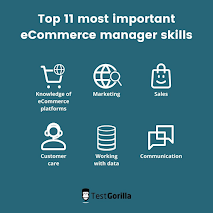
5. E-commerce Manager - It works for a company that sells products in the online store. The E-commerce manager is responsible for optimizing the features, design, and format of the online store to make it easier for customers to navigate the website and make purchases.
E-commerce Manager

6. Graphic Designer - This plays a significant role in creating eye-catching content like logos, website design, social media posts, etc. It helps to attract the customers.
Graphic Designer

7. Email marketing specialist - This is a professional writer who writes clickable and opening messages for a company's products, programs, or services. Usually, people can avoid the emails but an email-marketing specialist knows the tactics how to grab the attention of people on clickable emails.
Email marketing specialist

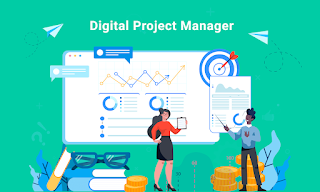
8. Digital marketing project manager - Here the project manager works on the project from start to finish. It handles the teams and manages the work and outlines of the project.
Digital marketing project manager

Wednesday, November 15, 2023

Future of Digital Marketing


  • Marketing techniques have been changed as time to time. We are adopting better and efficient techniques to promote our brands. 
  • In the old times we use Radio advertising and after some time we move to TV advertising, and after we shifted to digital marketing with the rise of the internet. 
  • After the COVID-19 pandemic, the scope of digital marketing has been increased rapidly. DM allows companies to reach a global audience online.
  • Today more than 14 billion mobile devices worldwide, and that number is projected to grow to almost 18 billion by 2024 and almost all smartphones have internet access, it is easier than ever for businesses to reach potential customers anywhere, anytime.
  • Day by Day many business are going online. Nearly 77% of the companies worldwide have already adopted the online industry and are likely to join the digital world. The demand for the digital marketers has been increasing.

Types of Digital Marketing with examples


Types of Digital Marketing :-
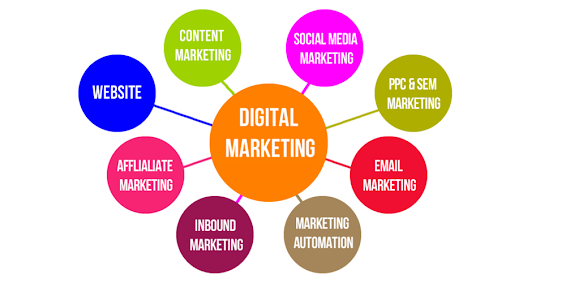
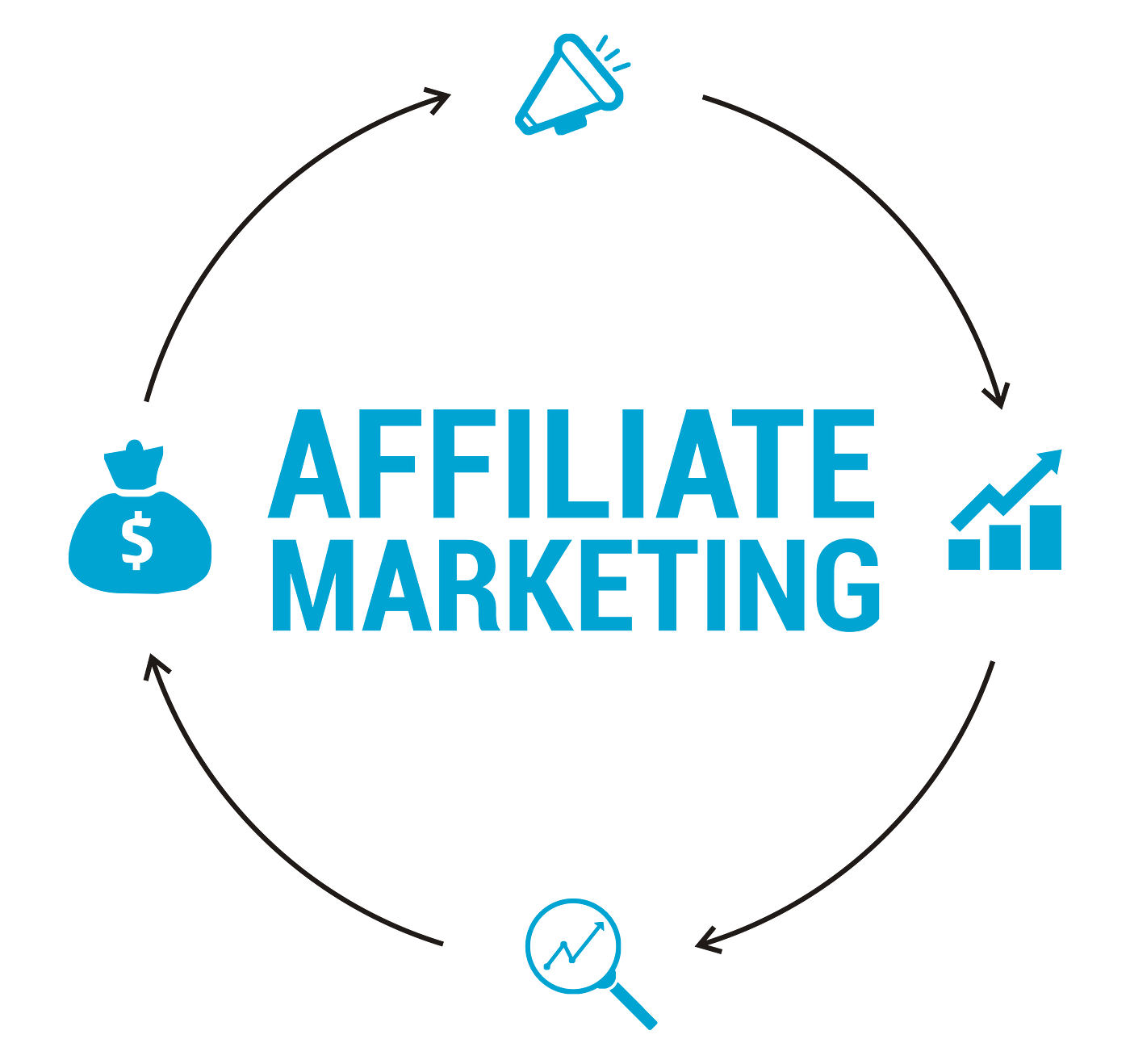
  • Affiliate Marketing
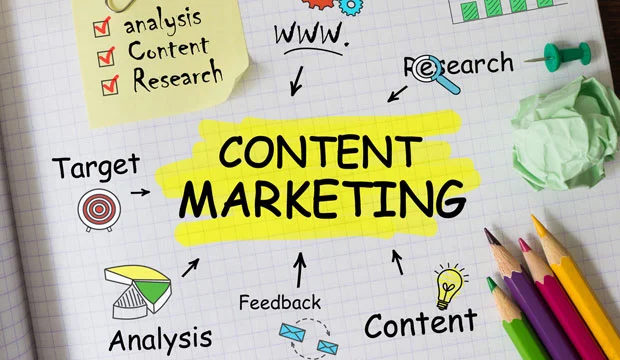
  • Content Marketing
  • Email Marketing
  • Search Engine Optimization (SEO)
  • Pay-per-Click (PPC)
  • Social Media Marketing
  • Mobile Marketing
  • Search Engine Marketing (SEM)

Affiliate Marketing - In this we collab with a brand and we try to sell its products and on selling each product we get a commission. We can do affiliate marketing through website, app, youtube etc.


Content Marketing - It is a type of digital marketing that focuses on creating and distributing content for a target audience. We can connect to the audience through blog posts, videos, ebooks etc.


Email Marketing - Here we use  email for promoting one’s products or services. Basically we put links on the email to drive the traffic to our website.


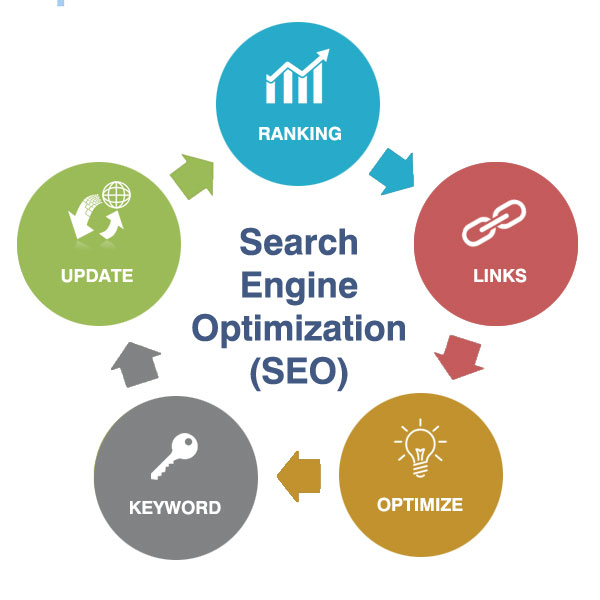
Search Engine Optimization (SEO) - It is the process in which we get the quality traffic from free, or organic, search results on the search engines (like Google, Yahoo, Bing).


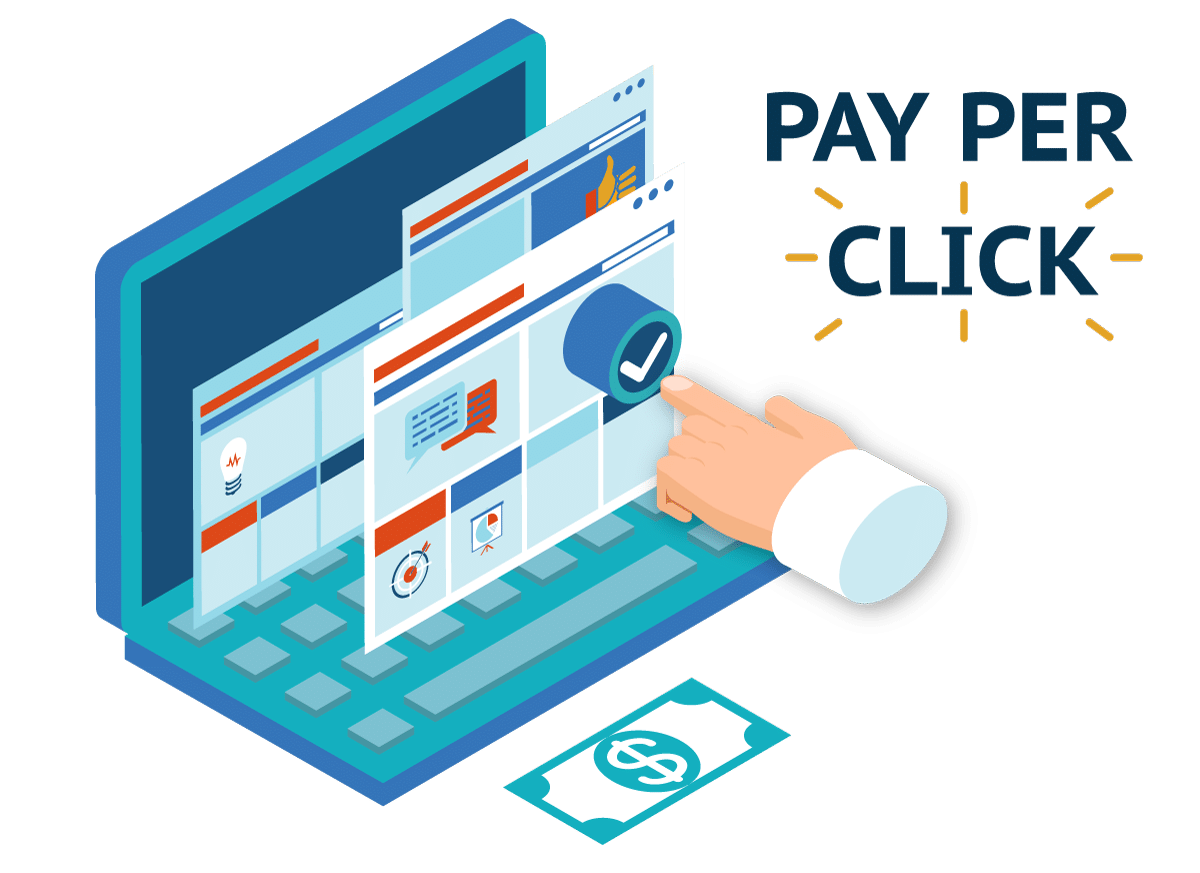
Pay-per-Click (PPC) - Here we run paid ads that appear at the top of the SERP. The cost of these ads depends on the number of clicks on the ad. 


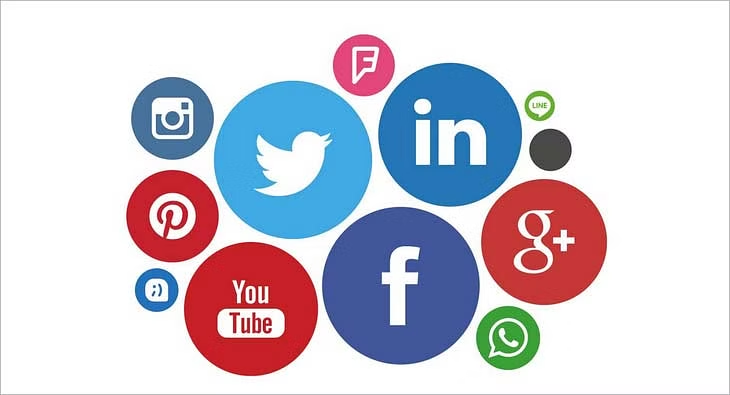
Social Media Marketing - Here we use social media platforms like FB, Insta, Whatsapp, Pinterest to attract traffic and attention. By using social media, we can increase brand awareness and increase sales.


Mobile Marketing - Mobile marketing reaches people through text messages, social media, websites, email and mobile applications. 


Search Engine Marketing(SEM) - It refers to a form of digital marketing in which we increase the visibility of a website in search engines by using paid methods like (Google AdWords and Bing Ads).

Types of Traditional Marketing


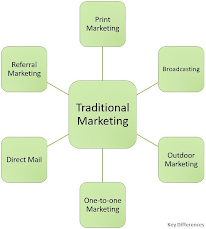
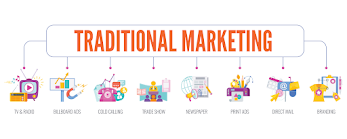
Types of Traditional Marketing :-
  • Handouts
  • Billboards
  • Direct mail
  • Print ads
  • Event marketing
  • Broadcasting
  • Cold calls
  • Face-to-Face Interaction

Handouts - It is a printed document like a brochure that can promote a business, event or sale. It will give details of the product.


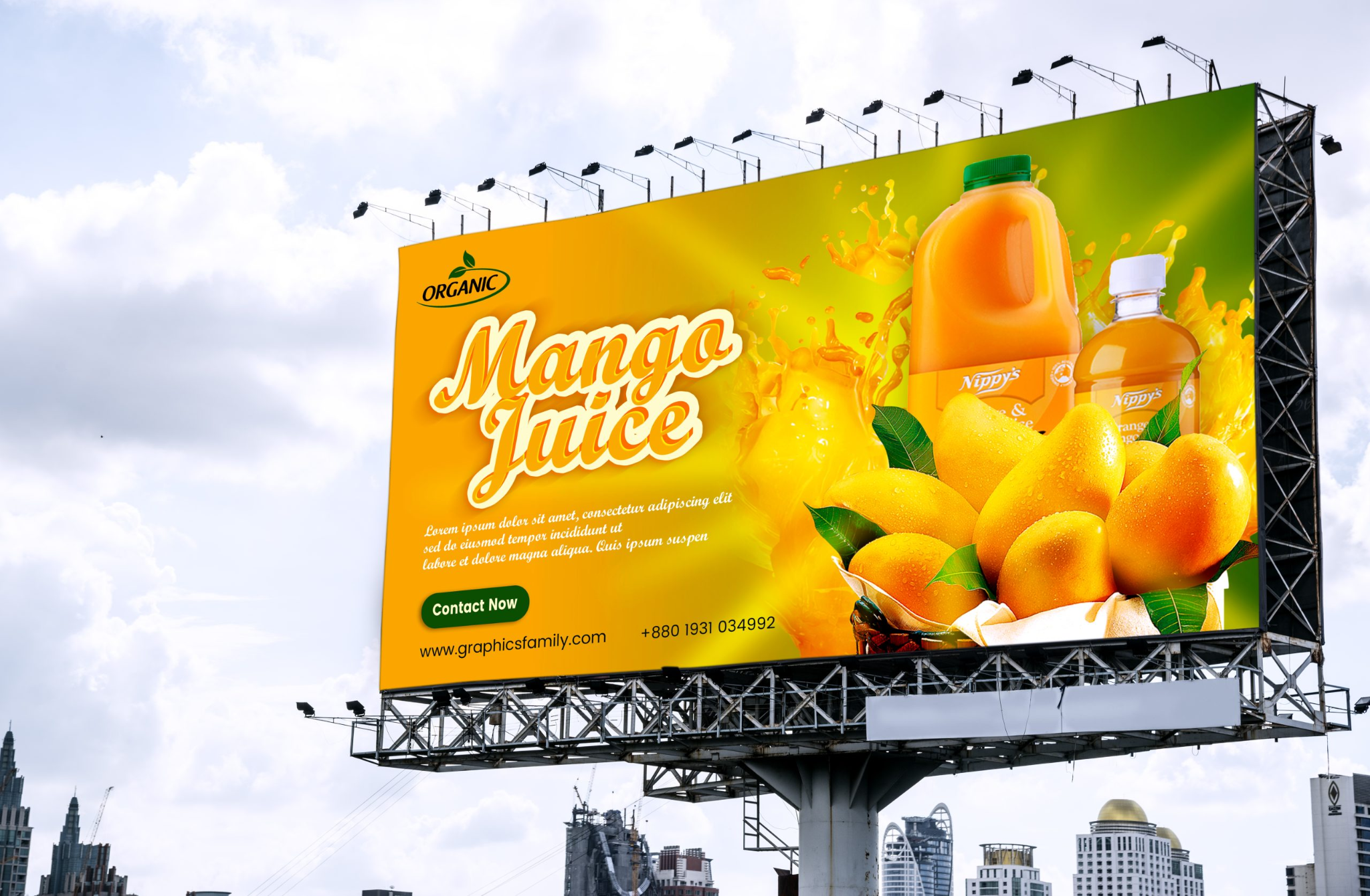
Billboards - It is an old traditional marketing tactic. We have seen many billboards along highway roads. We can reach wide audiences from various locations.


Direct mail - In this we sends print materials like letters or postcards to the addresses of customers living in our targeted area.


Print ads- We can print the ads in newspapers for the awareness of our brand so that many people can reach out.


Event marketing - With event marketing,  we create larger signs or banners to grab the attention of people and teach them about the company and its products. 


Broadcasting - It is the oldest way and still we are using it. In this we grab the attention of people by making commercials for radio and television.


Cold calls- This type of TM applies to companies that sell their products or services over the phone. Both B2B and B2C companies can utilize cold calling.


Face-to-Face Interaction - It is a highly interactive and connective traditional marketing in which a person can physically interact with the other person. He/She can easily explain and convince them about the product.

What is Traditional Marketing


It is the type of marketing in which we promote the brand offline to reach the customer. Here we use newspapers, pamphlets, billboards, walls etc.

What is Digital Marketing


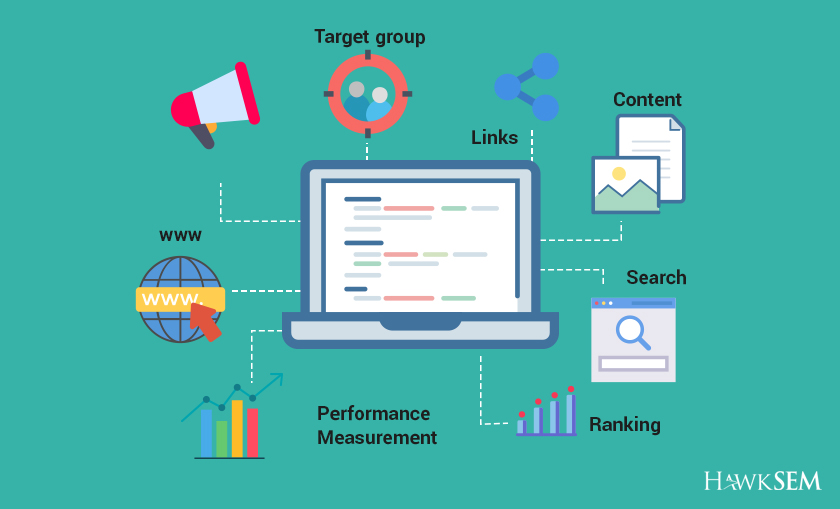
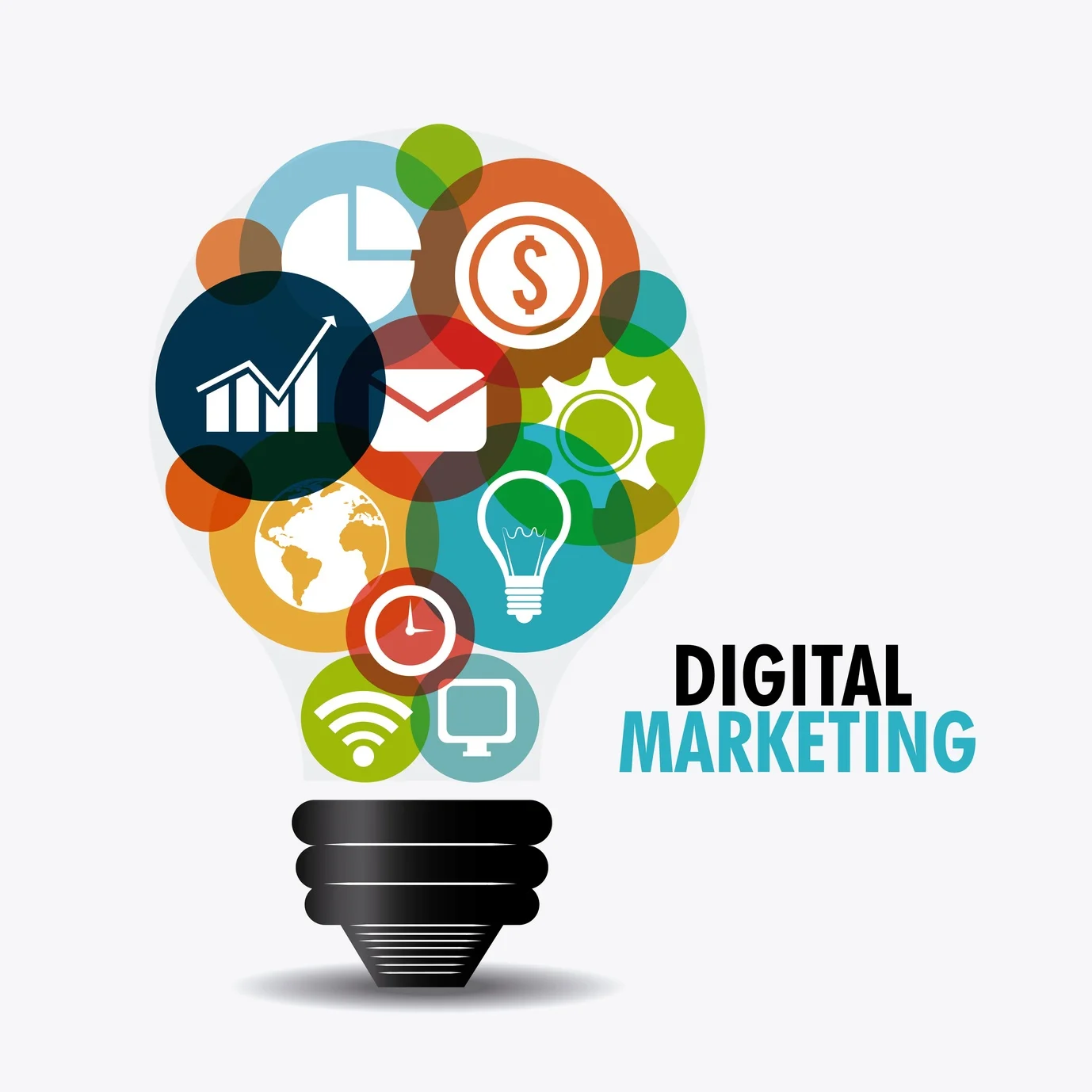
Digital marketing, is also known as online marketing, is the promotion of brands to connect with potential customers using the internet and other forms of digital communication. This includes social media marketing, email marketing, web-based advertising, etc.

Types of Business Category

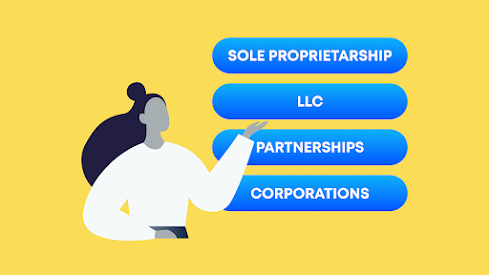
There are 4 main types of businesses: 

1. Sole Proprietorships
2. Partnerships
3. Limited Liability Companies (LLC) 
4. Corporations

Let’s discuss each of them.


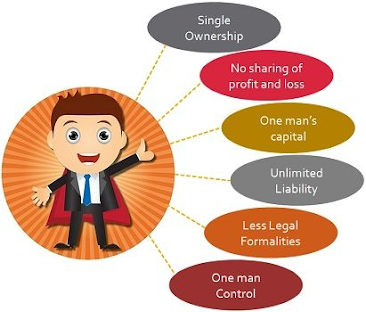
1. Sole Proprietorship

  • It is a business owned and operated by a single person. 
  • Here the owner has full control over the business and is personally responsible for its debts and liabilities. 
  • It's the simplest and most common form of business structure, often found in small businesses and freelancers.
2. Partnerships

  • It involve two or more individuals who come together to run a business. 
  • Here the partners share in the profits, losses, and management responsibilities of the business. 
  • There are different types of partnerships, including general partnerships (equal sharing) and limited partnerships (with limited liability for some partners).
3. Limited Liability Companies (LLC)
  • It combines elements of both a partnership and a corporation. 
  • It offers limited liability protection to its owners (members), meaning their personal assets are typically not at risk for business debts. 
  • LLCs are flexible in terms of management structure and taxation, making them a popular choice for many small and medium-sized businesses.
4. Corporations
  • Corporations are independent legal entities separate from their owners (shareholders). 
  • They offer the highest level of personal liability protection for owners, as their assets are generally not at risk for business debts. 
  • Corporations have a formal structure with shareholders, a board of directors, and officers, and they are subject to more complex regulations and taxation.

Explain meaning of USP


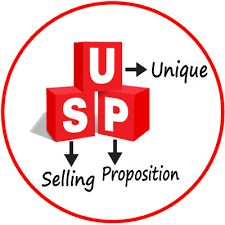
USP means Unique Selling Proposition, is the essence of what makes our product better than competitors. Here company must check why a customer should choose a particular product or brand over others. Customer must check the different price point of different brands before purchase.

What do you mean by SWOT Analysis


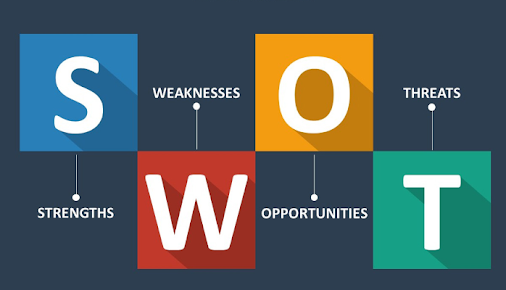
  • It is a framework for identifying and analyzing an organization's strengths, weaknesses, opportunities and threats. 
  • It examines both internal and external factors – that is, what's going on inside and outside your organization.
  • "SWOT" stands for Strengths, Weaknesses, Opportunities, and Threats

Strengths - These are the things that an organization is really good at and what makes it stand out from others. These can include a strong brand, lots of loyal customers, unique technology, and many more.

Weaknesses - Weaknesses are the internal factors but represent areas where an organization is lacking or could improve. Like outdated technology, poor financial management, wrong marketing strategy etc.

Opportunities - Opportunities are external factors that an organization can take advantage of to grow or improve. These includes emerging markets, new technologies, changing customer preferences, or gaps in the competition. Here by recognizing opportunities helps organizations develop strategies to make more money.

Threats - Threats, like opportunities, are external factors that can negatively impact an organization. They could include economic downturns, increased competition, regulatory changes, natural disasters, or shifts in consumer behavior. Identifying threats enables organizations to develop plans to minimize their impact.

Explain 4 Ps of Marketing with example


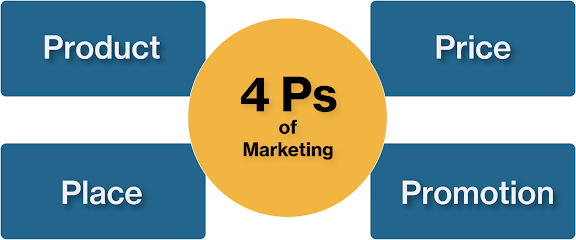
The four Ps are product, price, place, and promotion. Now let’s discuss each one by one.

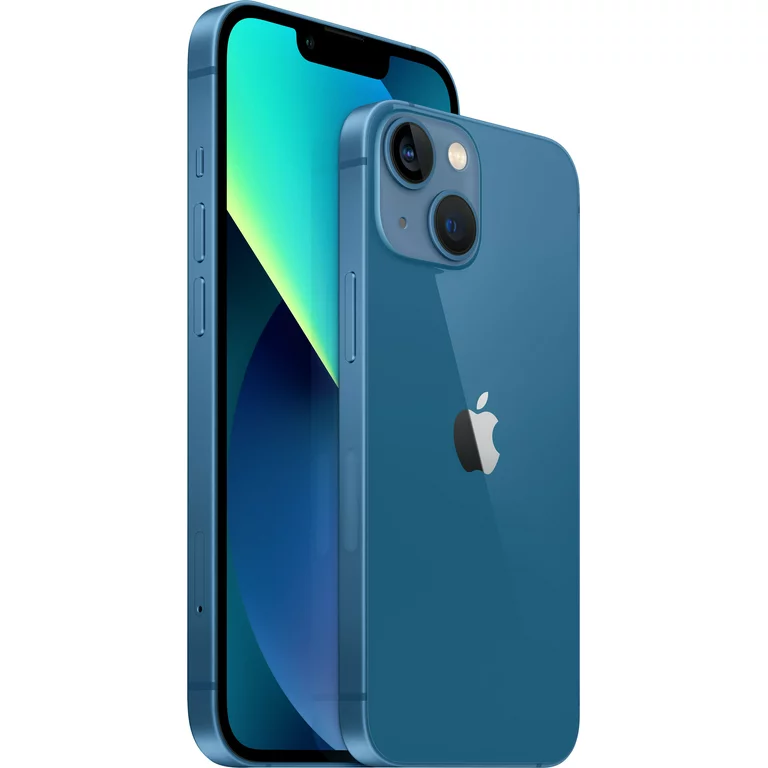
1. Product:- A product is the good or service which is sold to the consumer/customer. We must keep in mind that our product is meets the market/user needs. It must be fulfilled our targeted audience. For Ex - iPhone


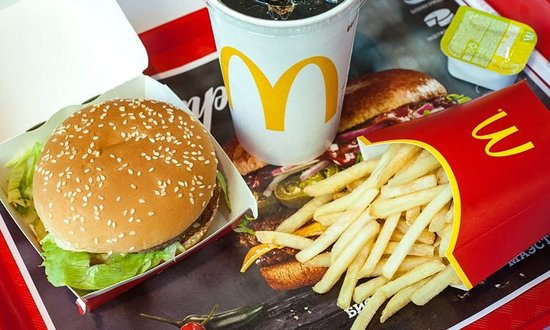
2. Price:- Price is the cost of a product or service. It is the most important aspect because sometimes we may raise the price of a product to make it luxury Or sometime we may lower the price so more consumers will try it or they think it is affordable. For ex - McDonald Burger


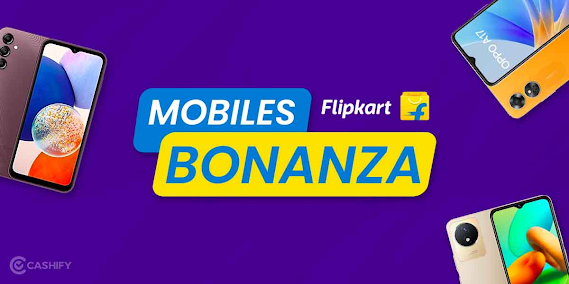
3. Place:- Place is where we can sell our product to the right audience. If we cannot target our audience to the right place then we can’t meet the sales of our business. In short, our product must be available where the customers need that. For ex - Redmi Phones on flipkart


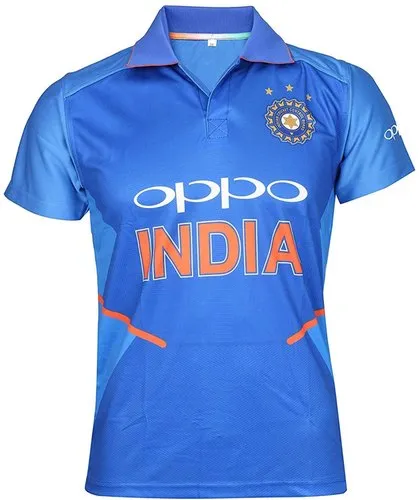
4. Promotion:- In this we promote our product through various methods like running online campaigns, ads, collaboration, etc. Some traditional methods are word of mouth, posters, and television commercials. For ex - Indian Cricket Team Jersey

What is Marketing Process

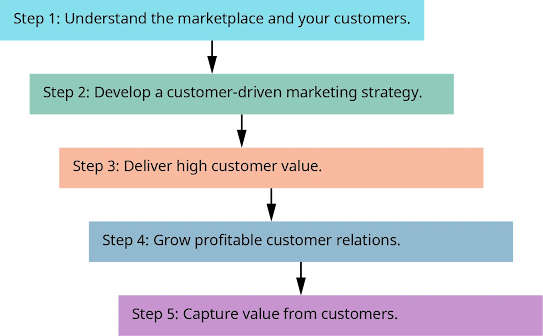
It is a kind of roadmap in which the company/businesses build their strategy for the product to increase its leads or sales or grow their business. Basically it involves identifying the target audience and building a marketing strategy, implement the plan, and capture the customer value.


1. Understanding The Marketplace And Customer Needs 

In first step we first understand the market and also the customer needs, what actually he wants. If we understand the current market and customer need then it will be easy for us to build a marketing strategy.

2. Designing A Customer-Driven Marketing Strategy

Now we design a customer driven marketing strategy in which our goal is to determine what users want and/or need and then satisfy those users.

3. Deliver high customer value

Here we give a good value to the customer in exchange of their money.

4. Grow Profitable customer Relations

In this step we grow customer relationships. Here if we know that who is our potential customers, then it is easy for us to determine how to reach them and maximizing our sales.

5. Capturing Value From Customers

Here we creating a high customer equity means the potential profits a company earns from its current and potential customers.

What is Marketing?

Marketing is a process in which a seller or company or a person is to sell its products, services to the consumers through advertisements, affiliates, or by direct approach.